

Thank You, Sam
Tomorrow our hearts will ache. But beneath the grief is a deep thankfulness for having been entrusted with this remarkable soul for a little while.
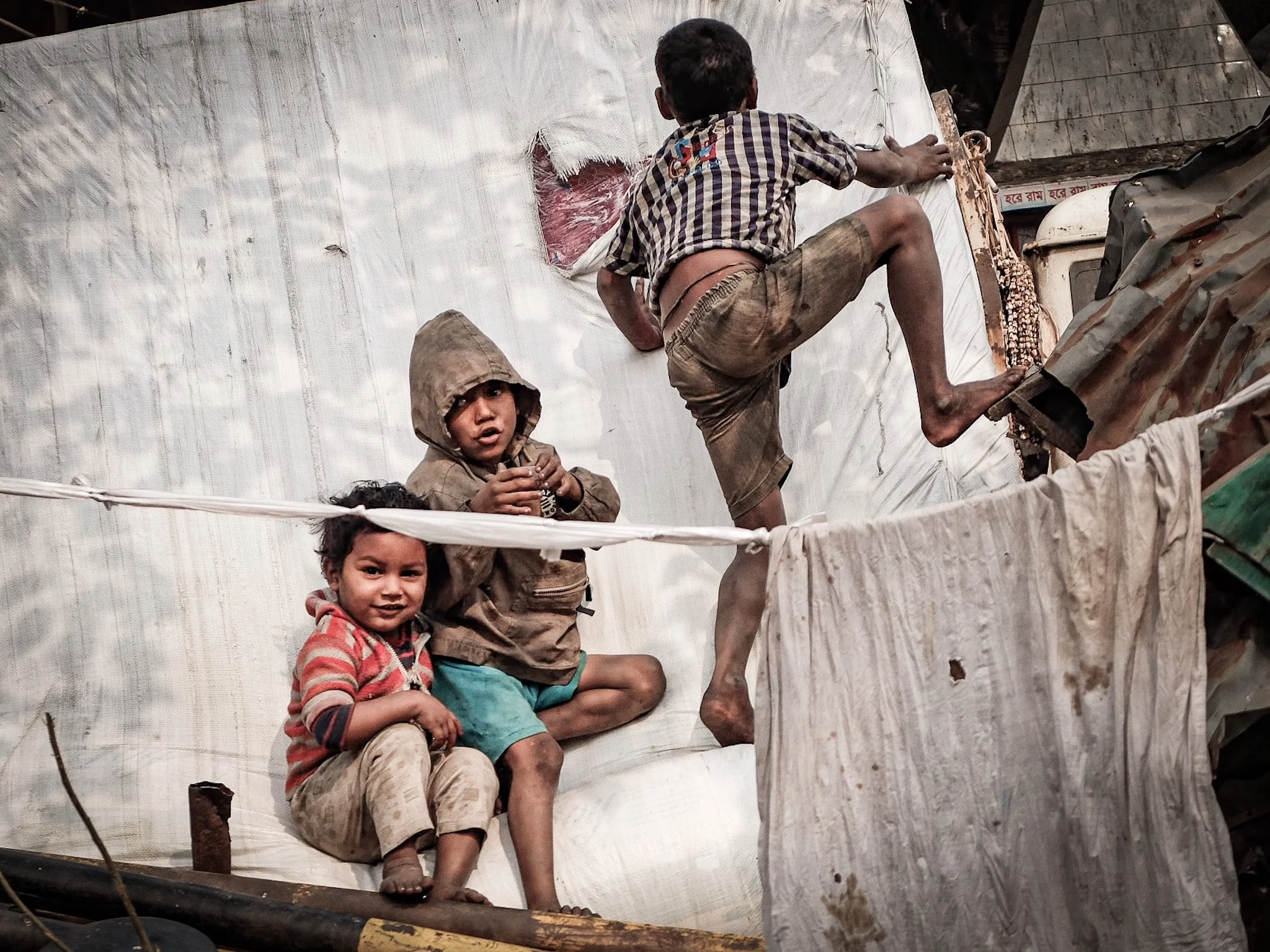
Playing Among the Rubble
Three little boys were playing among piles of rubble, only a few feet from the colorful, intoxicating, bewildering chaos of the market itself—a world overflowing with tuberoses, roses, and marigolds destined not for dining room tables, but for temple offerings. Around them was noise, commerce, devotion, beauty, and disorder. Yet in the midst of it all, they were simply playing.
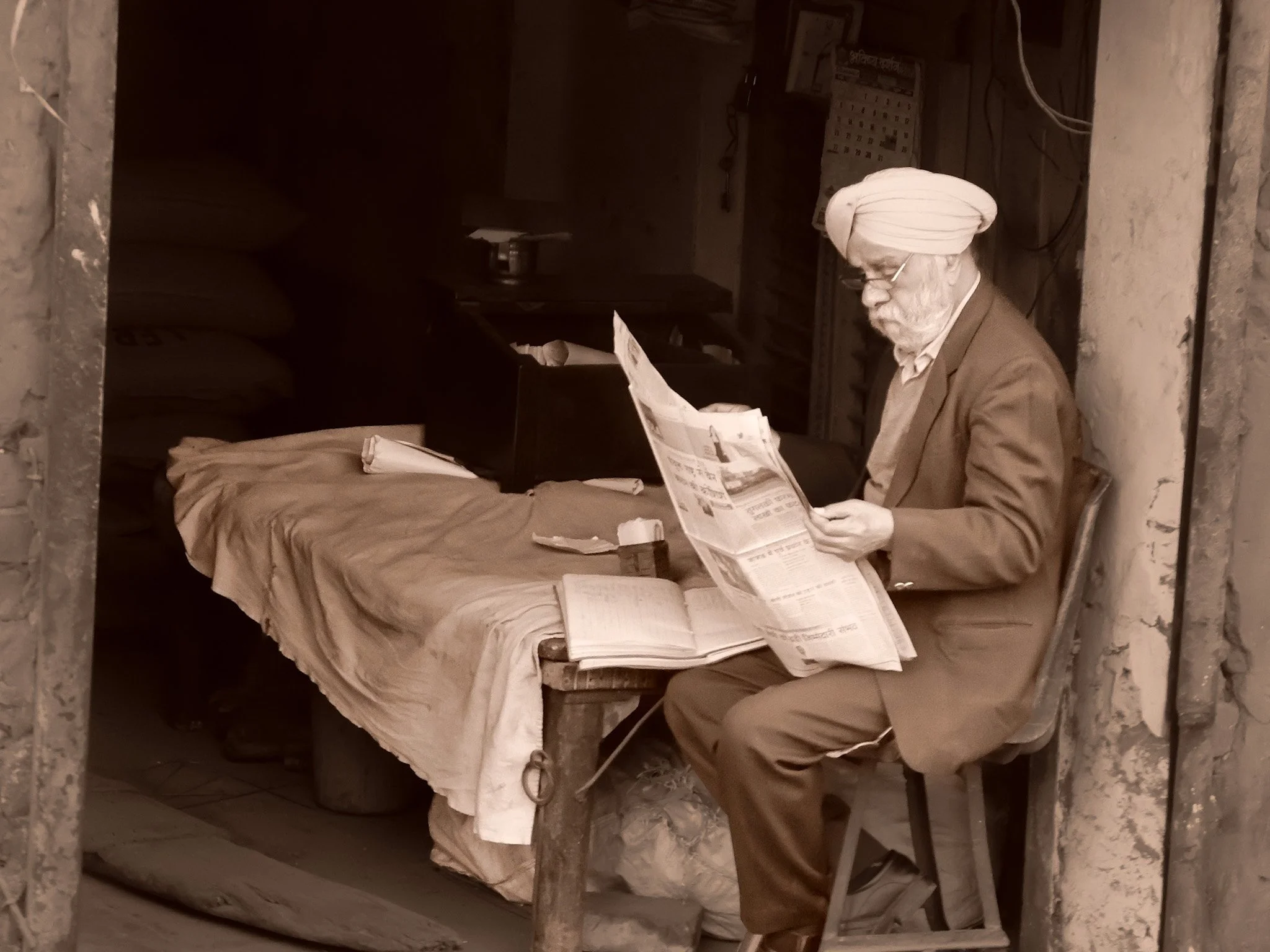
The Quiet Beauty of Ordinary Life
As we grow older, however, we begin to assume that our particular ideas about beauty are fixed and universal, when in fact they are fluid, cultural, and constantly changing. At any given moment, there are far more varieties of beauty in the world than a particular culture or period of history is willing to recognize. There is beauty in steam rising from a morning cup of coffee, in a beam of light slipping through the curtains at dawn, and in Black-eyed Susans and Queen Anne’s lace lining a quiet rural road. And yet we often move past these moments without truly seeing them.

What Rayond and Lucy Knew
There is usually far more courage within us than we can remember in difficult seasons. Perhaps we should hold more lightly the expectation of a smooth and untroubled life. There will be detours. There will be losses. We may need to stop along the way and steady ourselves before continuing on. But this is not failure. It is part of being human.
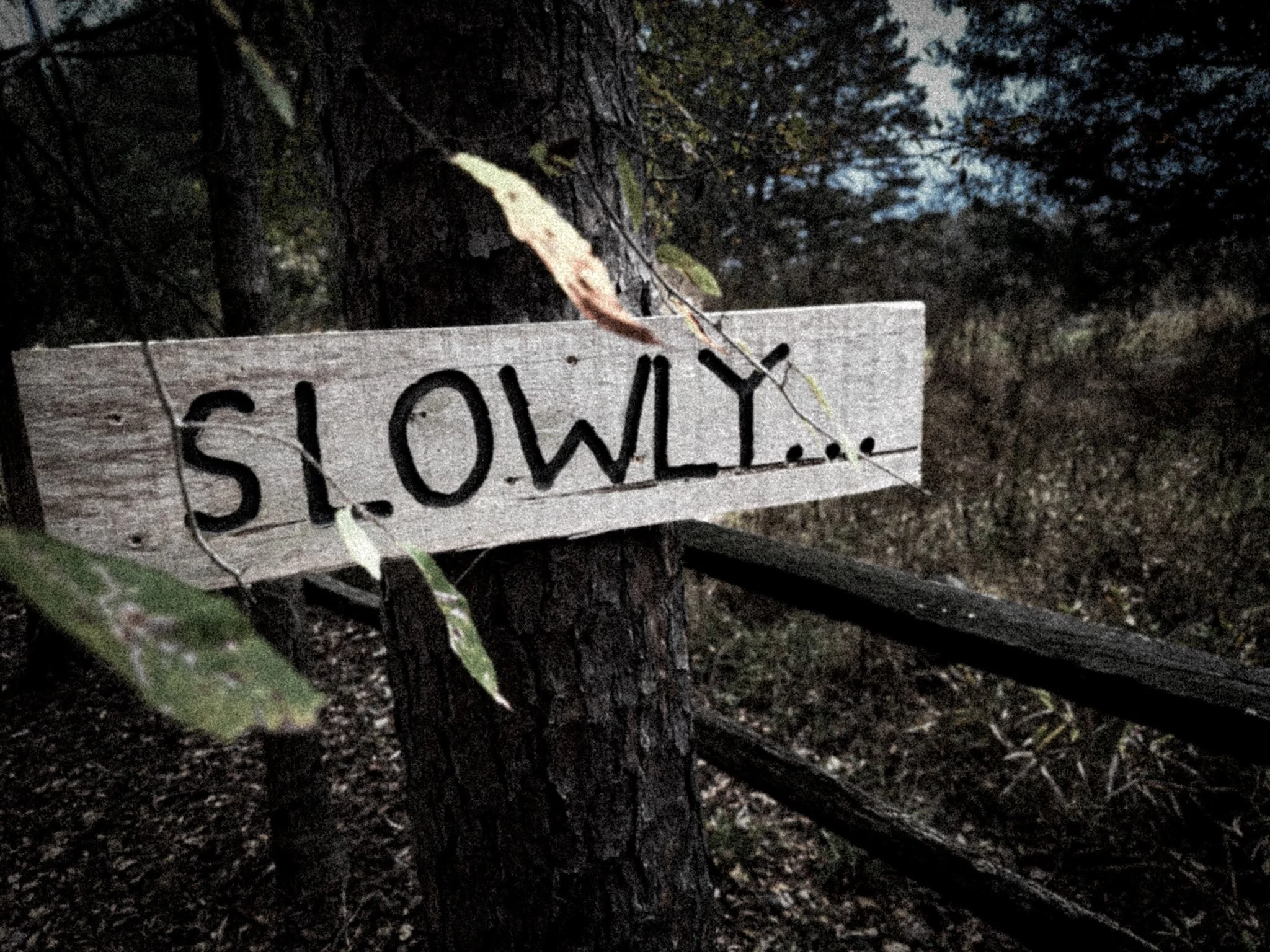
What the Heart No Longer Wishes to Carry
But over time,
the mind became a kind of overfilled suitcase,
stuffed with psychological odds and ends—
nothing heavy by itself,
yet together
like walking the Appalachian Trail
with a backpack full of stones.
And now,
standing at the threshold of older age,
I find myself wanting
something simpler.
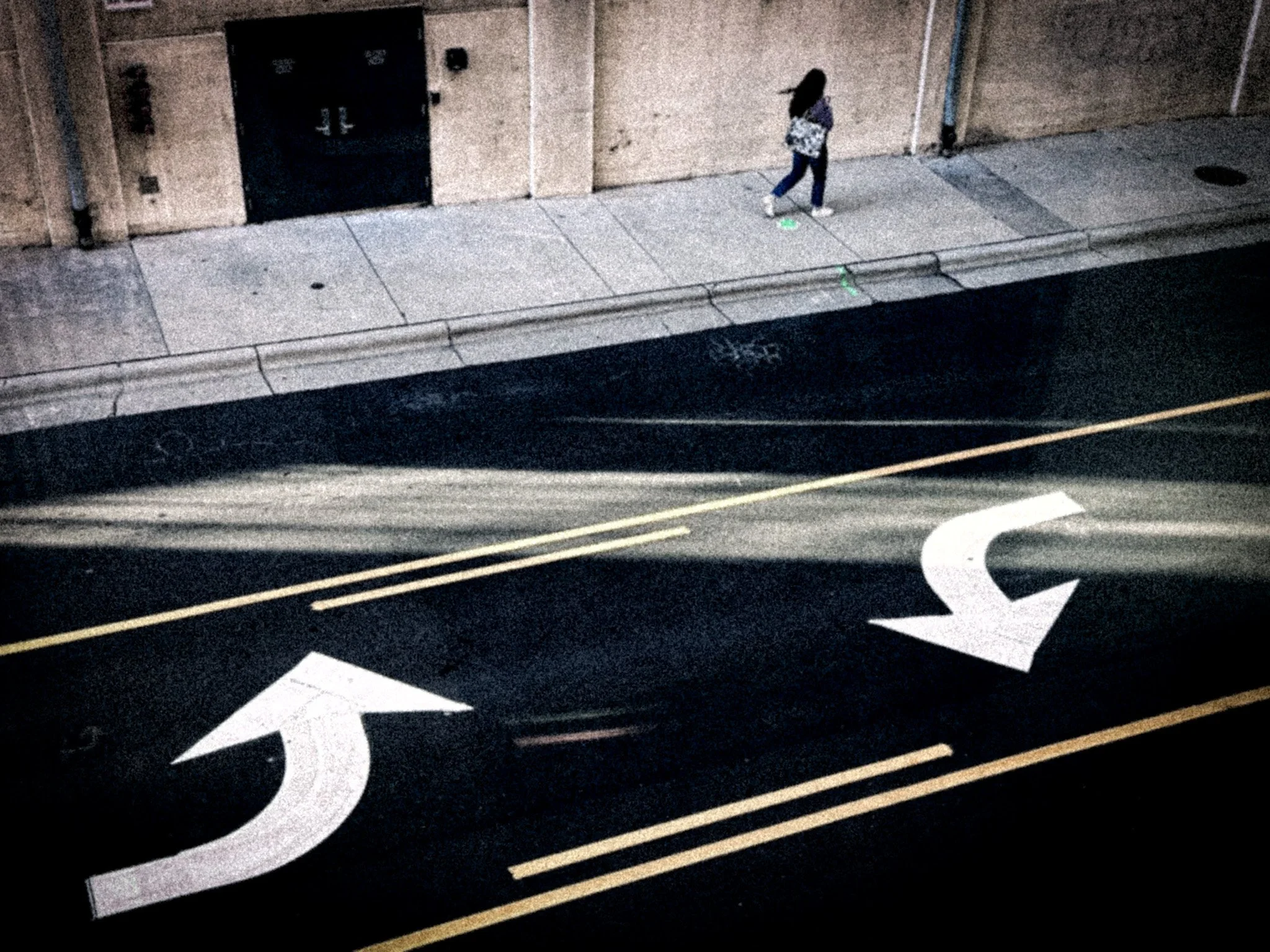
The World Needs Your Wisdom
Where are you in this moment? Can you sit quietly for a little while and let your gaze rest gently upon the world?

Domestic Life in an Age of Spectacle
Rallies and marches matter. Public witness matters. But increasingly, I suspect many of the most consequential struggles unfold elsewhere — in courtrooms, committee rooms, subcommittees, schools, libraries, local communities, and around kitchen tables where people quietly choose decency again and again.
In Praise of the Ordinary
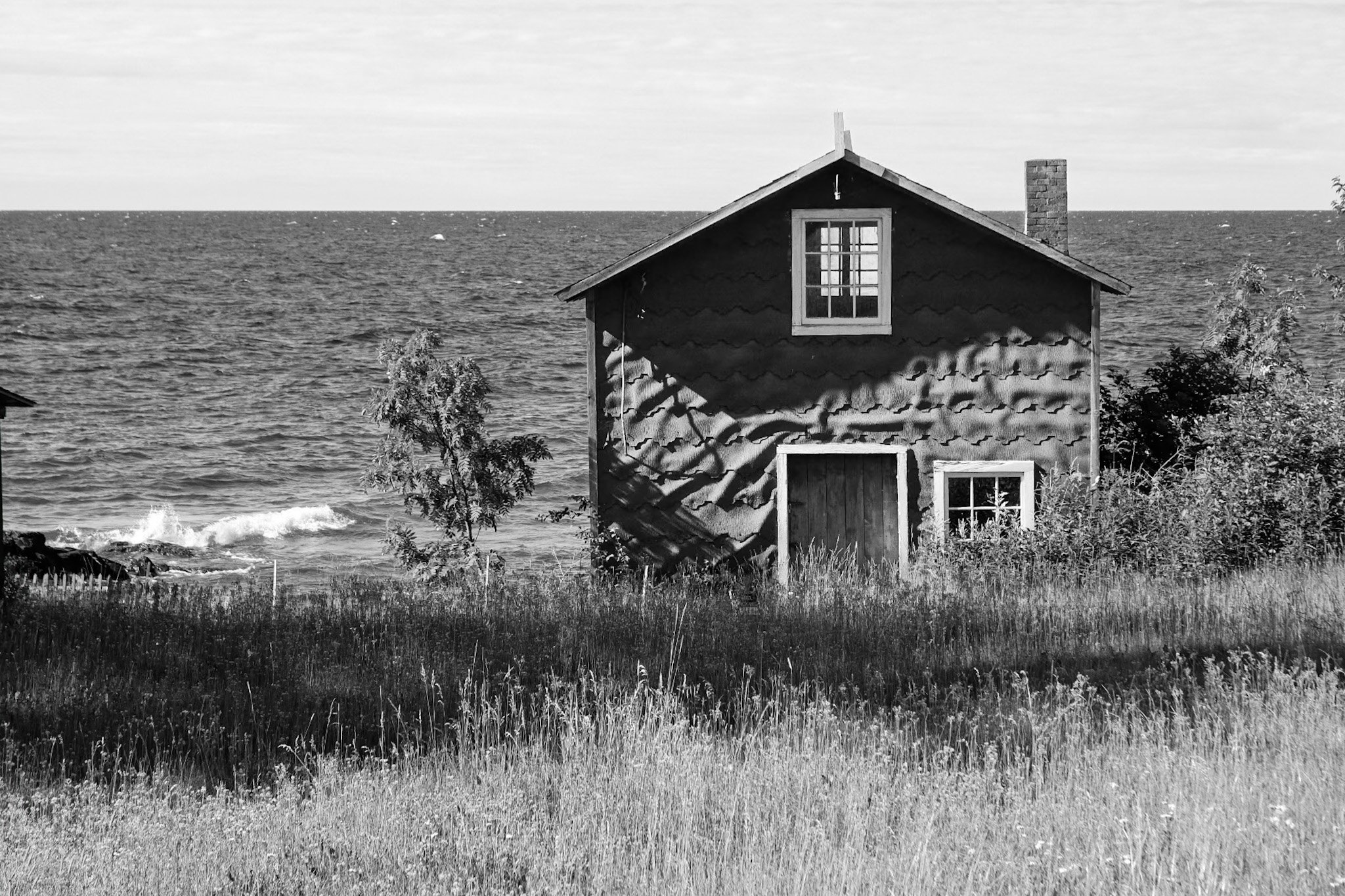
For many years, I struggled against the actual contours of my life. I measured myself against impossible standards and found myself lacking. I compared my life to those who seemed exceptional in obvious ways, all the while overlooking the quieter truths of my own existence—my capacities and limitations, my gifts and blind spots, the small but meaningful ways I had learned to love, endure, create, and remain present.

How We Hold This Moment
And so—
the question becomes
how we are to hold all of this,
as the ground keeps shifting beneath us,
when the old reference points no longer hold.

Tired, Open, Real
The image I have chosen for this post—a neighborhood coffee shop seen through a window—holds everything at once. Light, reflection, movement, distraction. All the details are there, but they refuse to settle into order. They overlap, blur, interrupt one another. There have been days in my own life when experience arrives in just this way—fragmented, disordered, difficult to make sense of.

Under a Witnessing Sky
We wade through an uncertain future—
prices at the pump rising,
prescriptions slipping out of reach,
and voting rights under assault.
What Art Knows About Us
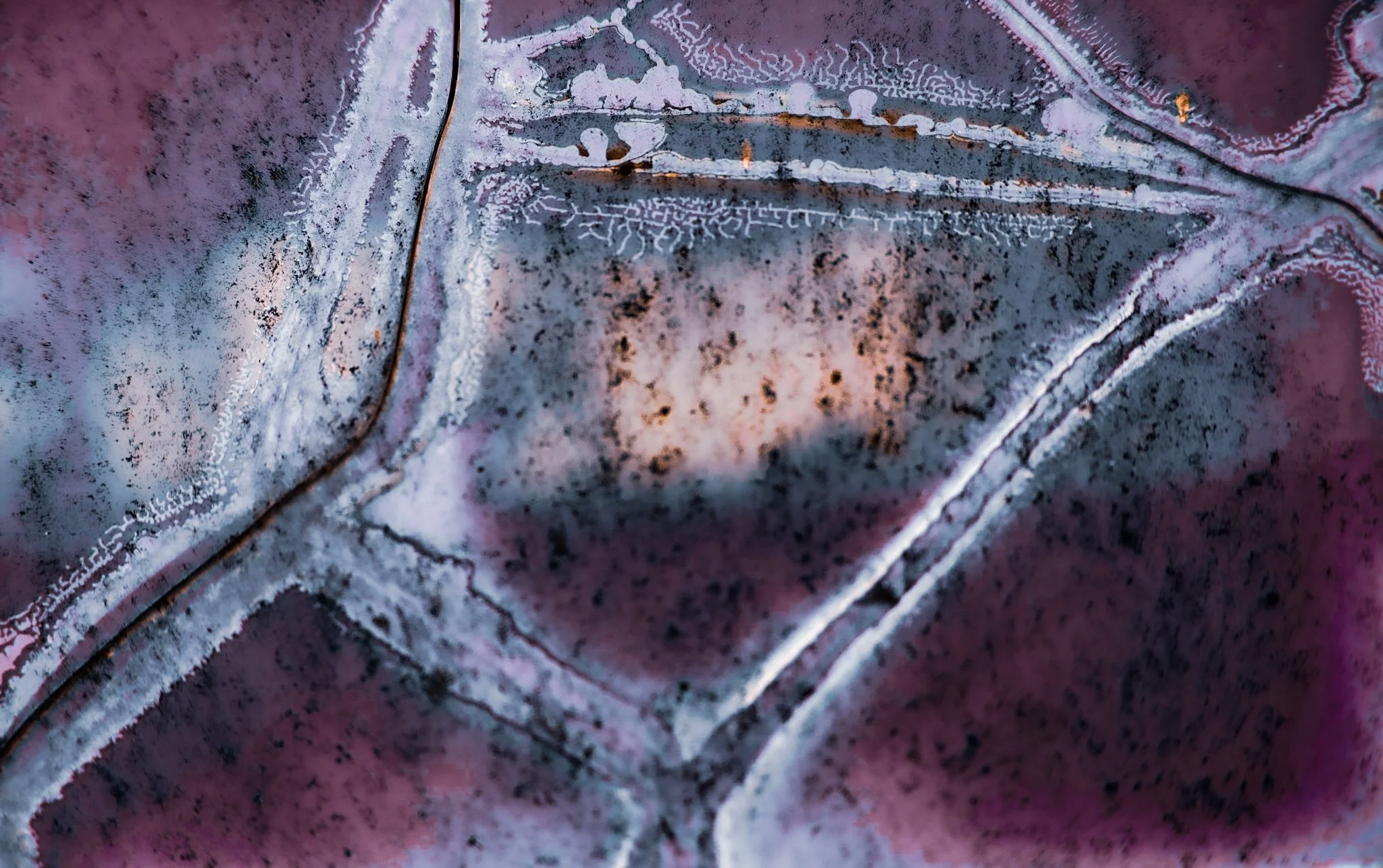
Over time, we become more whole when we learn to ask of the art that stays with us: what is this showing me about what is missing? Art is not only something we admire—it is something that calls us, quietly, in a particular direction—toward balance, toward spaciousness, toward a life that feels more like our own.
A Wabi-Sabi Kind of Life
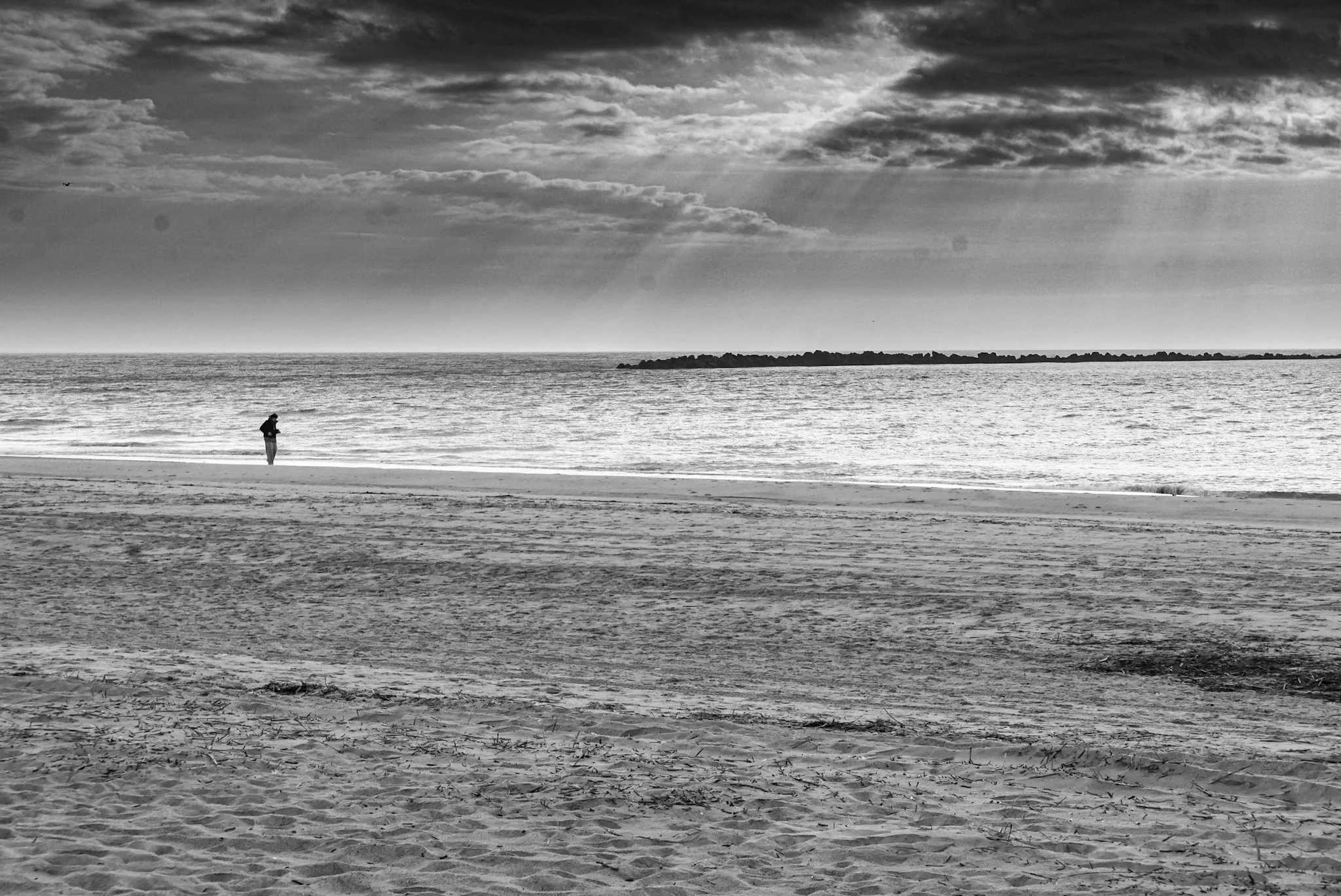
It seems no one is spared the turning of the wheel—the gentle and the difficult, the light and the shadow, all of it shaping us in ways we don’t always understand at the time.
We Have a Choice
To grow into elderhood is to recover a way of seeing
we once knew well.
Like a child before language,
we learn again to notice—
to point, almost instinctively,
toward the subtle beauty that lives in the everyday:
light finding its way across a wall,
a voice that feels like home,
the simple fact of being here.
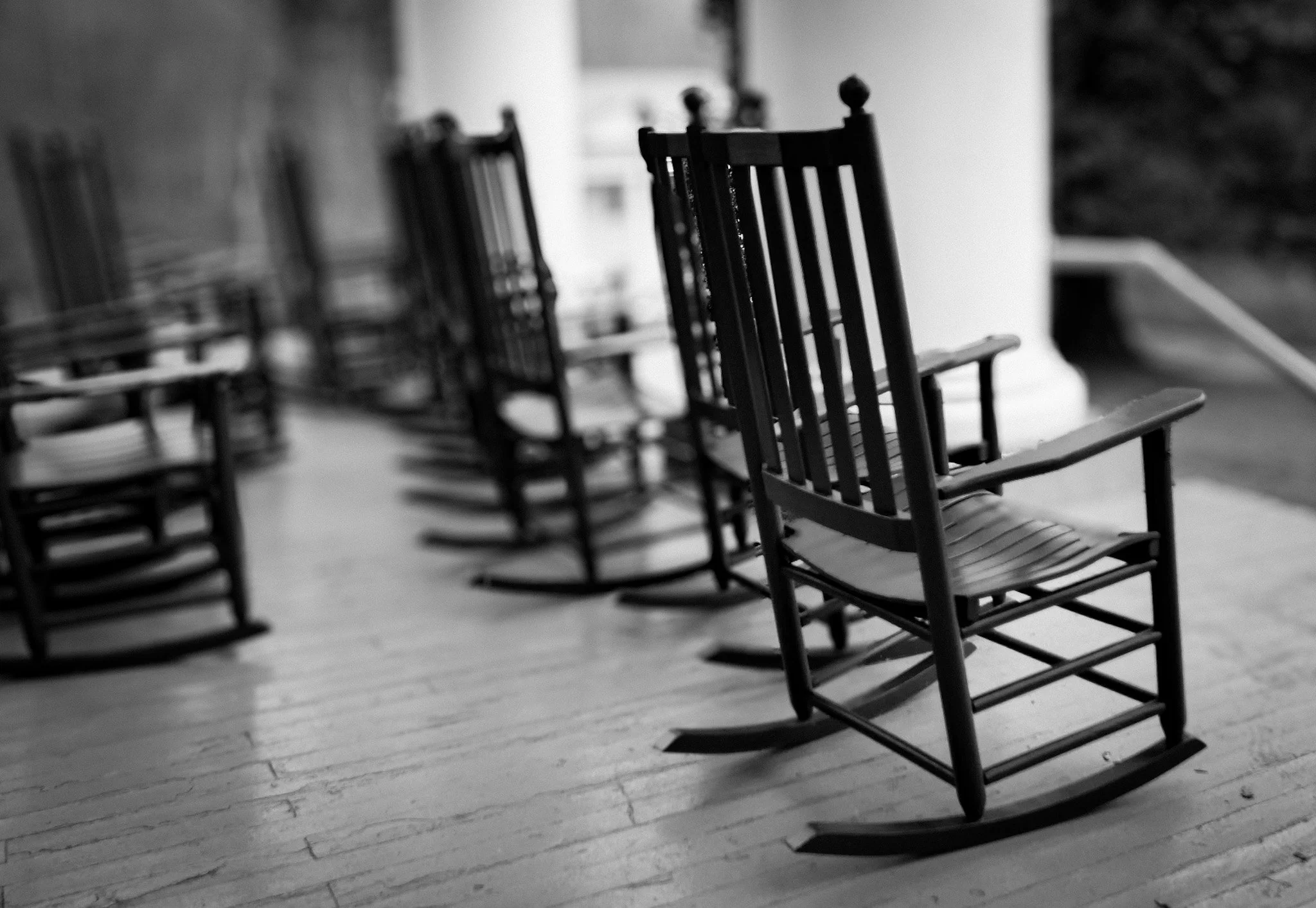
What Suffices
As I grow older,
I ask less of life—
and receive more than I imagined.
And so I turn again
to the ordinary moment—
to be totally here
and nowhere else.
to notice
and feel everything—
everything.
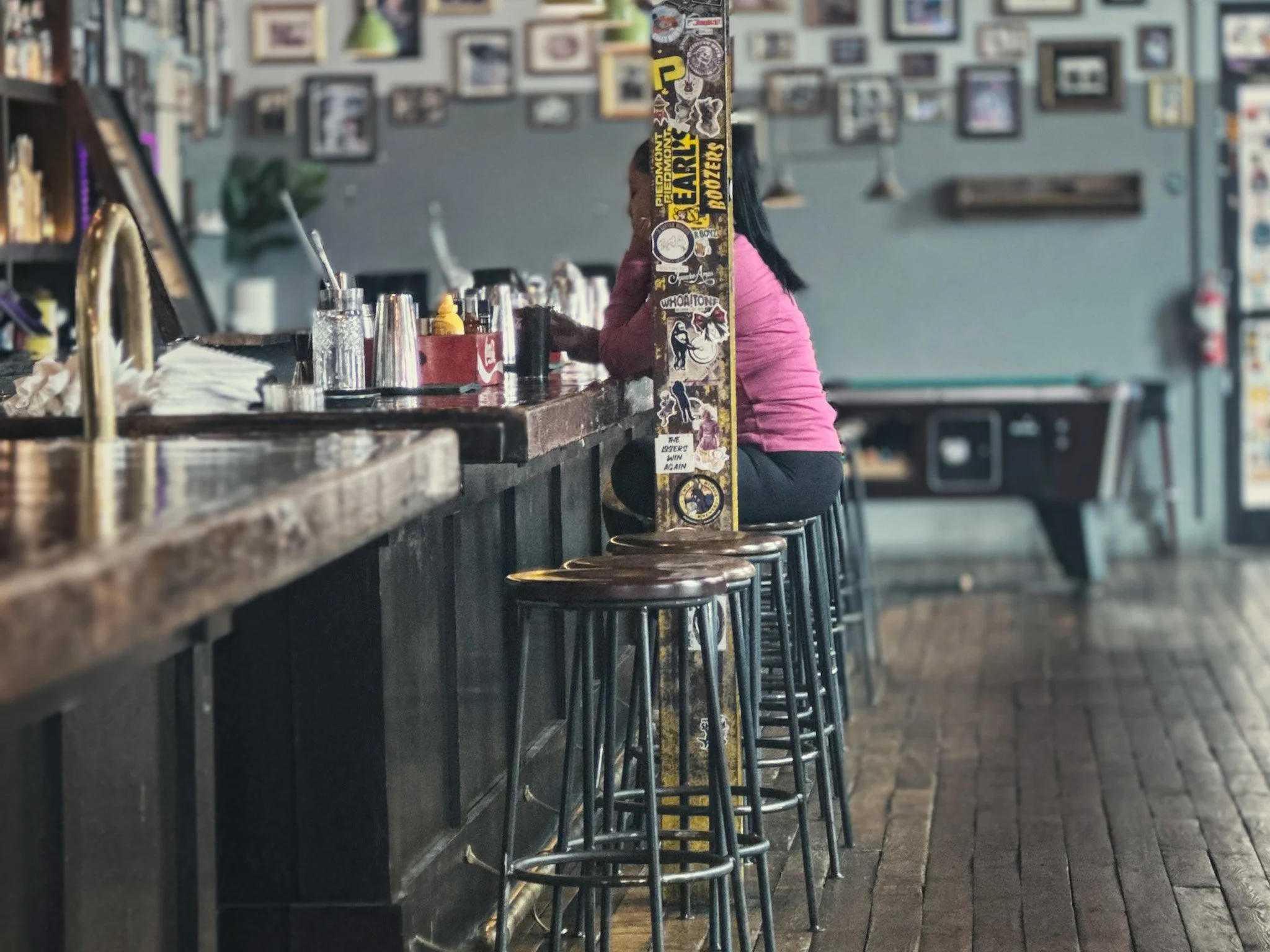
What We Carry Is Not Ours Alone
But this isn’t grief. Not quite. Nor is it heartache. It feels more like a soft, persistent knowing— that happiness, while real, is often brief, and that much of life is lived in the company of things unfinished, imperfect, and quietly heavy.
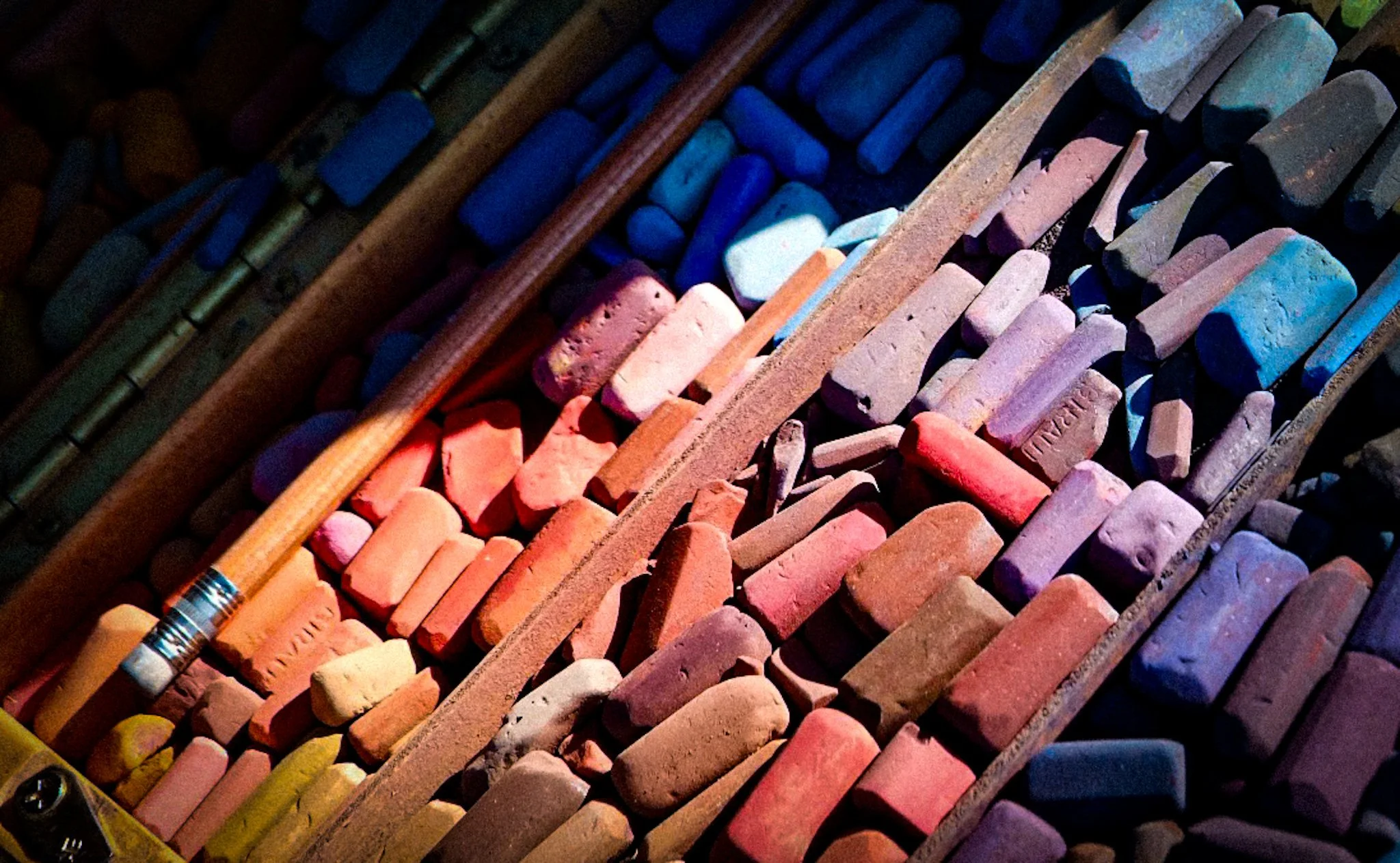
The Essential and Unavoidable Place of Failure
What I need—and what we all need, perhaps—is a more generous way of seeing: an honest remembering of how much awkwardness, repetition, and imperfect seeing lies behind anything we come to call beautiful.
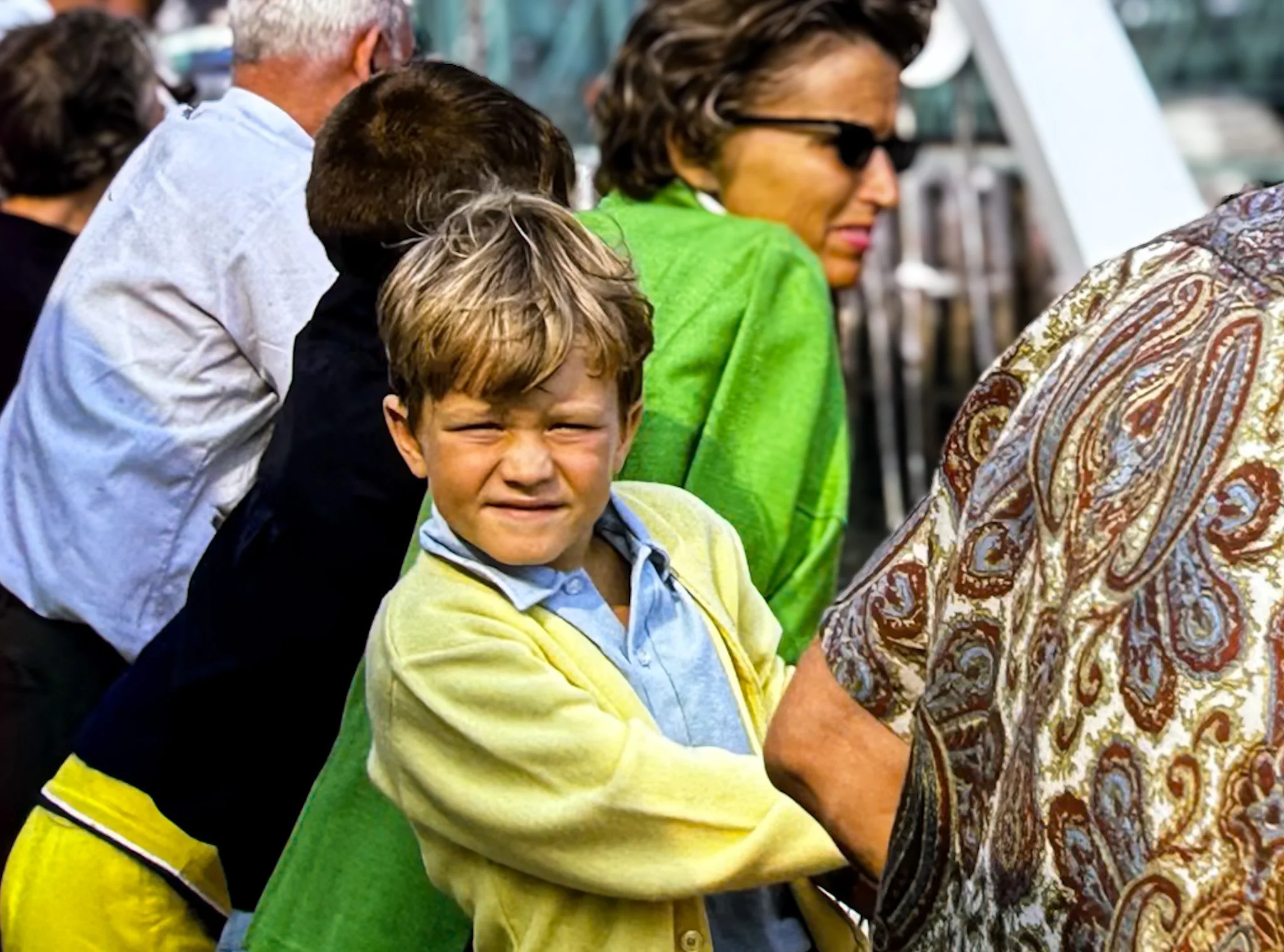
In the Company of Broken Hearts
What we share in common is far more fundamental: our broken hearts—the Iranian mother grieving the death of her son, the parents of a U.S. Marine waving goodbye as their daughter is deployed to the Middle East, the husband who has just read the word “cancer” for the first time on MyChart.
What Picasso Knew About War
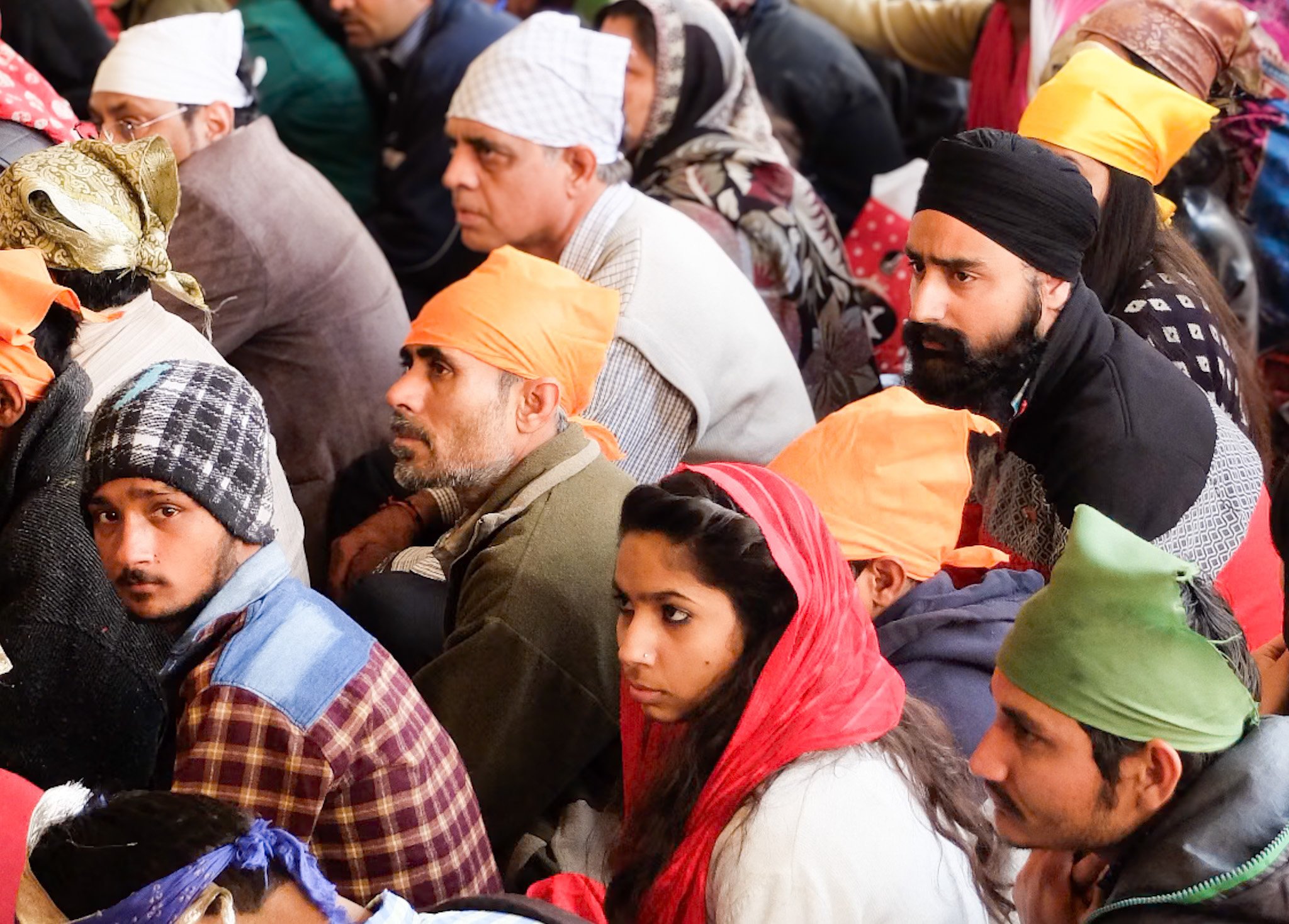
The image I chose for this post comes from Gurudwara Bangla Sahib in New Delhi, home to its remarkable langar, a free community kitchen that serves thousands each day. People of every background sit side by side on the floor, sharing a simple meal—lentils, rice, bread—prepared by volunteers in a spirit of devotion. No one is turned away. It is not charity so much as practice: seva, compassion made visible.
The Bench We Somehow Know
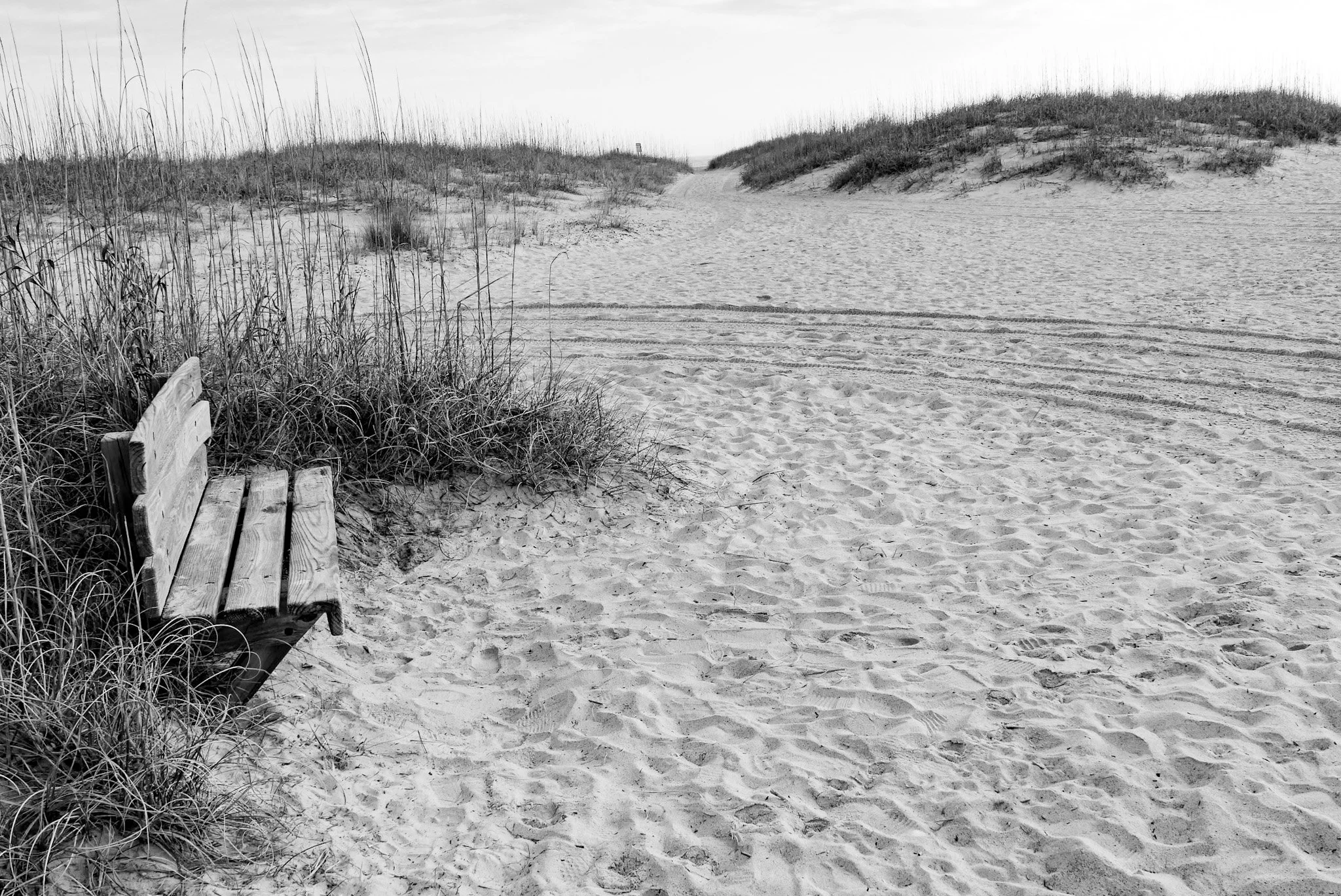
We are given endless encouragement to live loudly. There is always somewhere new to go, something more to become, someone else we’re supposed to be chasing after or becoming worthy of. But at sixty-eight, I find myself no longer compelled by all that urgency. Not in resistance, exactly—but in recognition. That perhaps our deeper calling is not to keep moving, but to stay. To stay long enough for our eyes to soften… and to finally see the beauty of what has been here all along, waiting for our full attention.